How do we talk about the issues that matter?
How do we talk about the issues that matter?
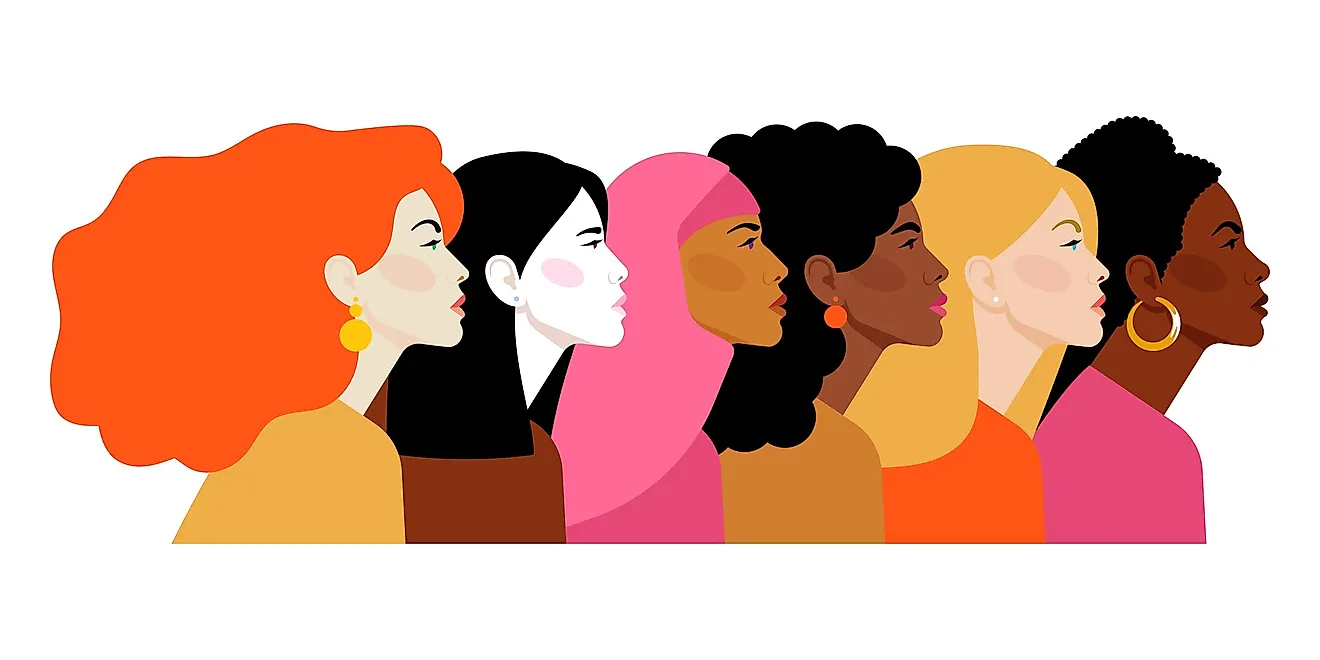
Here's a quiz: what's the difference between nationality, race, and ethnicity?
You might use some of these words interchangeably or not at all.
Here's the answer:
Race: the definition of race is tricky, and not truly agreed upon. We can say that it's based on where your ancestors originated or based on the color of your skin.
Nationality: nationality is what is on your theoretical passport, think about where you were born or where you have citizenship.
Ethnicity: more so than anything else ethnicity is a cultural identity, your ethnicity can overlap with your race, language, religion, etc. Ethnicity is often tied back to the culture of where your family originated. One might identify with being Ethiopian, Scottish, Jewish, Persian, etc
Having words such as these have a set definition before beginning a discussion is vital to make sure that there are no misunderstandings and everyone begins from the same place. I think oftentimes talking about issues of identity can create a lot of big emotions in people, and while these emotions are normal we can have a very hard time explaining them. This is another reason why vocabulary is so vital when discussing issues that matter.
I loved how you said how significant vocabulary is- never looked at it that way! That is probably one of the main reasons that things get heated, messy or just misunderstood during debates or arguments nowadays. Setting the foundation before discussing these important issues is so vital! Great post!
ReplyDeleteI agree! I think that many of the problems with these discussions stem from people not having the proper vocabulary to relate those feelings. If we make sure to give everyone the same starting point it is much easier to ensure that discussions are respectful and productive.
DeleteI actually did not know the difference between race and ethnicity, I now know that race is where my ancestors are from while ethnicity is where I culturally identify as coming from. I agree that vocabulary is very important in conversations involving the identification and classification of people. I agree that identity can create a lot of emotions in people and so I try to avoid making assumptions based on what it looks like their ethnicity or race would be. despite a persons race you still do not know who they are, where they are coming from, or what they have been through and it is important to consider that when having a conversations about these issues.
ReplyDeleteI'm glad you learned something from my post! it is so vital that we make sure everyone is on the same page before we begin!
DeleteHi Mallory! This post was so necessary, the root of every efficient discussion is knowing the appropriate vocabulary to use. I often get confused with these 3 words, as much as I hate to admit it. During a discussion, if someone were to misuse a vocabulary word, there could be an argument that is started when it could have been avoided. When I am an educator in the future, I am planning on learning all aspects of important vocabulary words, and using them properly in important discussions. I feel that when students see that their teacher has taken the time to get properly educated, they feel more comfortable opening up about topics that matter to them. Thank you for sharing!
ReplyDeleteI'm glad you learned something! And I'm so excited for all of us to have a better understanding of these issues for the future!
Delete